Precision at the molecular level.
Advanced analytical chemistry and materials science laboratory. We connect frontier instrumental characterisation with the principles of Green Chemistry and applied biotechnology.
Cutting-edge technology and partner institutions
From scientific excellence to the productive sector.
We connect the frontier research of the Universidad de Caldas with the technological and industrial needs of Colombian and international society.
What is GICTA?
The Research Group in Chromatography and Related Techniques (GICTA) is a centre of scientific excellence attached to the Department of Chemistry of the Universidad de Caldas. Classified in the highest category (A1) by MinCiencias, we hold more than two decades of leadership in analytical research.
Guided by the Green Chemistry approach, we develop sustainable methodologies, minimising organic solvent consumption and designing eco-friendly adsorbents that protect the ecosystem.
The origin of ClayOMICs
Founded in 2020 as a technology-based spin-off of the Universidad de Caldas, ClayOMICs transfers GICTA's maturity and knowledge into market-ready solutions for direct commercial application.
With the trademark registration formally granted by the Superintendence of Industry and Commerce in May 2022, ClayOMICs acts as a strategic commercial partner for solving complex analytical and chemical data science challenges.
Key Impact Sectors
We provide advanced measurement and remediation solutions to the diverse industries that drive the region's development:
International Cooperation Network
We operate under an open-science and transnational collaboration scheme. GICTA coordinates the secretariat and vice-presidency of the Latin American Network for Environmental Quality Analysis (RACAL).
"We lead and collaborate in global scientific consortia, such as the European ARTVOC project focused on volatile biomarkers for assisted reproduction technologies, together with universities in Estonia and Romania."
Data driving every discovery.
We provide reliable results for complex clay characterisation projects and cutting-edge analytical instrumentation.
Frontier Research Areas
We advance knowledge through innovative methodologies focused on selectivity, sensitivity and environmental respect.
Sustainable Sample Prep. & Microextraction
The most critical stage of chemical analysis. We develop technologies to reduce organic solvents and increase selectivity.
- Solid-Phase Microextraction (SPME) with superelastic supports
- Rotating-Disk Sorptive Extraction (RDSE)
- Low-cost biopolymeric ecosorbents (cork and chitosan)
Advanced Materials and Modified Clays
Design and chemical modification of adsorbent materials for molecular retention and specialised analytical applications.
- Functionalisation of local clays with ionic liquids (ILs)
- Inorganic coatings to improve polar selectivity
- Robust stationary phase design for chromatography
Environmental and Sanitary Chemistry
Rigorous and systematic evaluation of the impact of emerging organic contaminants on water, air and communities.
- Modelling and monitoring of Trihalomethanes (THMs) in water
- Municipal Wastewater-Based Epidemiology (WBE)
- Analysis of Volatile Organic Compounds (VOCs) in air
Instrumental Chromatography and Mass
Separation of complex mixtures and precise molecular identification by mass spectrometry.
- Capillary gas chromatography (GC-FID / GC-MS)
- High-performance liquid chromatography (HPLC-UV / HPLC-MS)
- Analytical structural elucidation of unknown analytes
Metabolomics and VOC Analysis
Study of volatile metabolite profiles emitted by biological systems and in controlled clinical environments.
- Volatile breath biomarkers search for health
- Air quality monitoring in embryonic incubation (ARTVOC)
- Clinical VOC control and biological filtration systems
Transferred Technologies and Inventions
We turn laboratory discoveries into commercially protected products and processes, ready for industry.
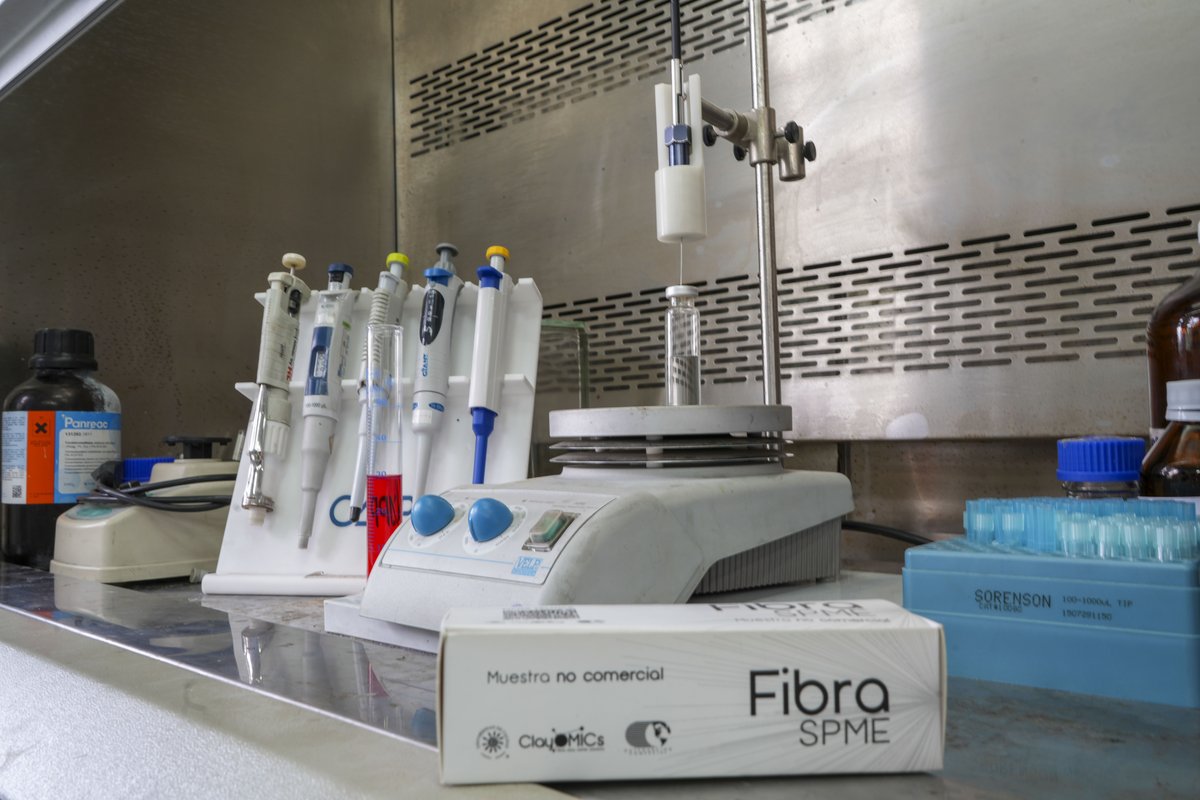
FIBREATH-4000 Microextraction Fibre
The flagship technology of our spin-off is the FIBREATH-4000, an advanced solid-phase microextraction (SPME) device built on a superelastic Nitinol (Nickel-Titanium) alloy core, coated with chemically modified local clay.
Unlike traditional commercial fibres that fracture extremely easily due to their fused silica core, the FIBREATH-4000 offers unmatched disruptive properties in robustness, durability and cost-effectiveness.
Mechanical Strength
Indestructible Nitinol core that prevents accidental breakage in the injector.
Extreme Reusability
Withstands hundreds of adsorption and thermal desorption cycles without losing sensitivity.
Low Production Cost
Highly competitive cost compared with international alternatives.
High Chemical Tolerance
Improved thermal stability and full compatibility with washing solvents.
Biosensors for Coffee Safety
We develop field analytical devices for the rapid electrochemical detection of critical contaminants in coffee beans, such as mycotoxins and metabolites of uncontrolled fermentations.
SENA Alliance & Coffee-Grower NetworksBioplastics from Orange Peel
Synthesis and design of biodegradable biopolymers from the recovery of local citrus residues. Suitable for eco-friendly agroindustrial packaging and controlled-release supports.
Patent in Filing ProcessAnalytical Services and Key Projects
Certified solutions for complex molecular analyses and research projects with socio-demographic impact.
Testing and Consultancy
Identification and quantification of volatile and semi-volatile analytes in environmental, biological and food matrices.
- Volatile Organic Compound (VOC) analysis
- Pesticide residues (organochlorines, organophosphates) in soils and water
- Fatty acid profile (FAMEs) in food and tissues
High-efficiency analytical separation of non-volatile and highly polar compounds.
- Phenolic compounds and antioxidants in plant material
- Selective monitoring of pharmaceuticals and emerging contaminants in water
- Analysis of organic acids and simple sugars in beverages
Quantitative determination of dissolved and insoluble organic carbon in clean and industrial wastewater.
- Dissolved Organic Carbon (DOC)
- Quality control in industrial process water
Multivariate statistical modelling, scientific AI and chemical data science in strategic alliance with DataQuorum.
- Multivariate classification (PCA, PLS-DA) & Machine Learning for GC-MS / UHPLC-Q-TOF
- Food packaging migration, NIAS safety assessment & FIBREATH-4000 calibration
- Scientific RAG pipelines, image analysis & portable Lab-On-a-Chip systems (dataquorum.net)
Pricing Note: Official prices broken down by sample type and courses are available on our interactive page: View Official Pricing.
Featured Projects
ARTVOC Project
In-situ monitoring and advanced control of Volatile Organic Compounds (VOCs) in laboratories and culture chambers of assisted reproduction technologies for humans and animals.
Wastewater-Based Epidemiology (WBE)
Study of stable molecular traces of drugs, mass-consumption pharmaceuticals and metabolites in municipal sewers to assess public health trends and community epidemiology.
Eco-Sustainable Capture Materials
Advanced modification of bentonitic clays with biodegradable ionic liquids for the efficient retention of heavy metals and industrial dyes in textile effluents.
Scientific Team and Researchers
A multidisciplinary group combining broad academic experience with dynamism in technology transfer.
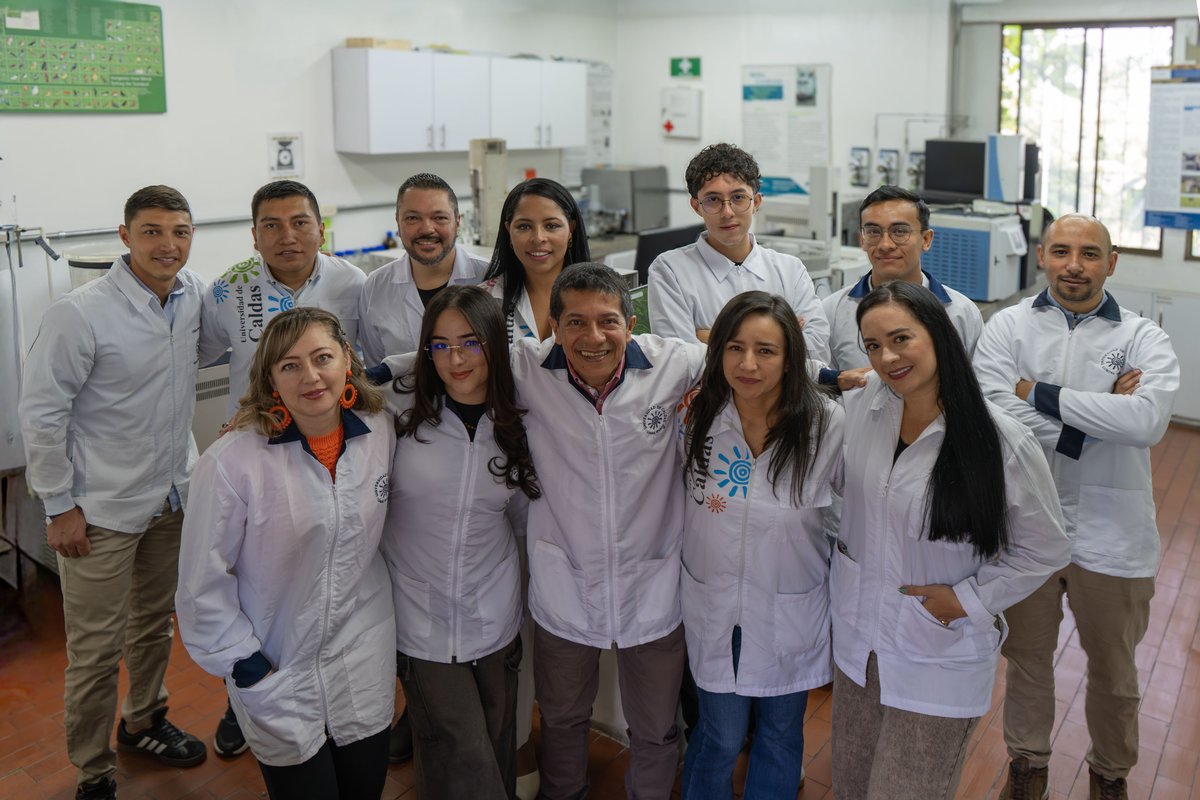
Dr. Milton Rosero-Moreano
CEO of ClayOMICs / Principal InvestigatorFull Professor at the Universidad de Caldas. Ph.D. in Chemical Sciences from the University of Zaragoza (Spain) with postdoctoral stays at the University of Chile.
Dr. Gonzalo Taborda Ocampo
Co-Leader of GICTA / Senior InvestigatorFull Professor at the Universidad de Caldas. Ph.D. in Chemical Sciences, pioneer in developing the chromatographic laboratory infrastructure and postgraduate programmes of the region.
Dr. Davinson Pezo
Founder of DataQuorum / Scientific & AI Partner (EU)Ph.D. in Chemical Sciences (University of Zaragoza) and Marie Curie Fellow. Over 80 peer-reviewed publications and 3,000+ citations bridging analytical chemistry, materials and applied AI.
Researchers and Permanent Staff
We actively integrate associated researchers and students of the Master's and Doctorate in Chemical Sciences of the Universidad de Caldas, coordinating the practical development of their theses. The technical staff guarantees metrological traceability and continuous calibration of our state-of-the-art chromatographs.
Close Global Collaborators
Estonian University of Life Sciences
Polytechnic Univ. of Bucharest
Scientific and Development Environment
Physical spaces where materials design and instrumental chemical analysis take place.
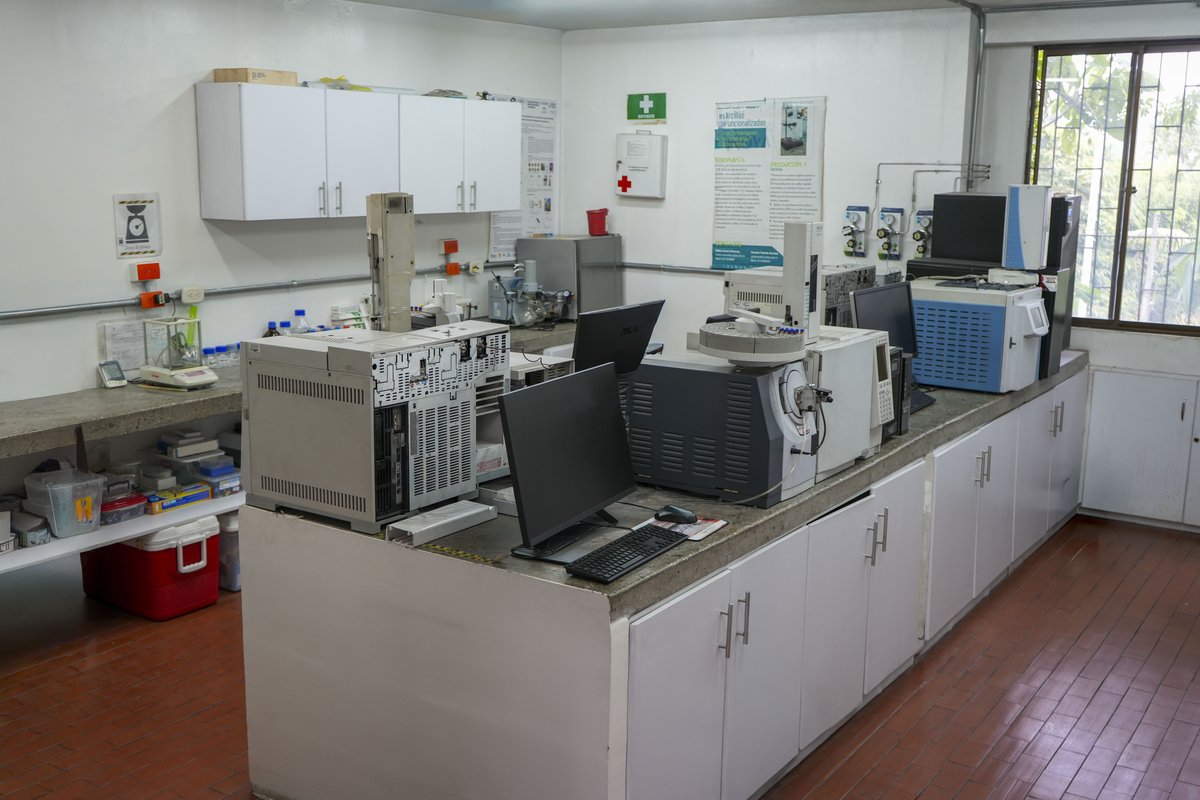 GC/HPLC Chromatography
Instrumental Analysis
Modern chromatographic equipment and calibrated automatic injection systems.
Physical facilities
Intellectual Property
FIBREATH-4000
The superelastic extraction fibre protected by an invention patent.
Technological Development Nanoclays
ClayOMICs Study
Sub-macroscopic evaluation of molecular and ionic interactions.
Applied Basic ScienceTake your analytical research to the next level
Talk to our experts about technical sample feasibility, specific analytical protocol design or quotations.
Request advice